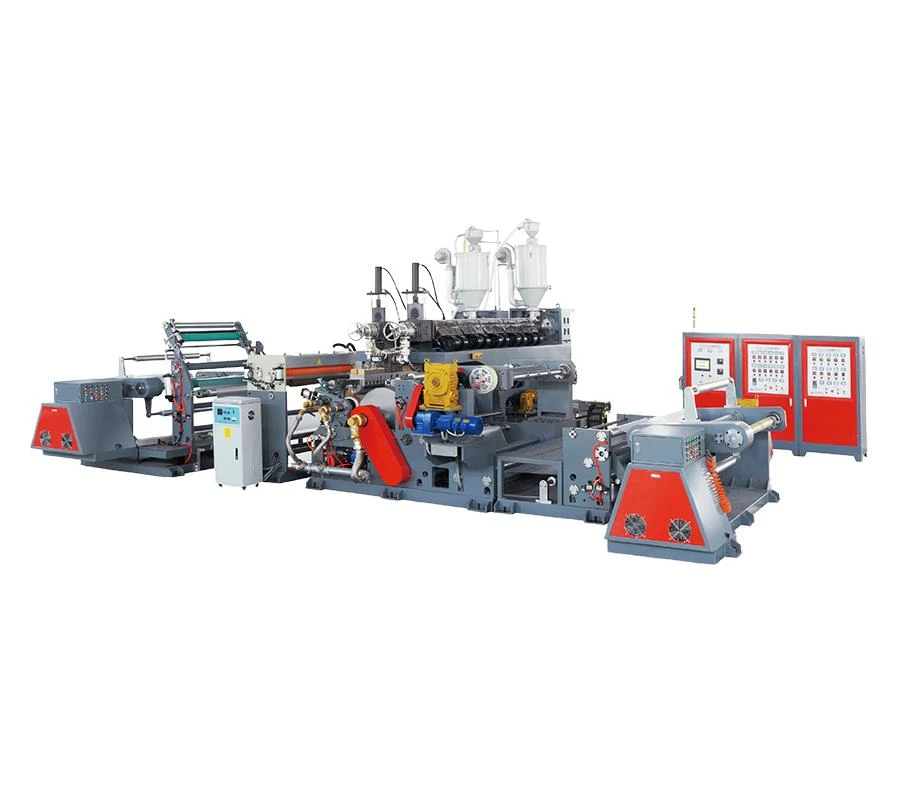
Exploring Advancements in Film Coating Machinery
In the ever-evolving world of manufacturing, the film coating extrusion lamination machine is prominent as a noteworthy innovation that has revolutionized the packaging industry. Such advanced technology combines film coating and extrusion lamination into a single process, offering efficiency and versatility that conventional methods often cannot match. As industries constantly seek ways to enhance product quality while lowering production costs, understanding the capabilities and advancements of these machines becomes essential.
Contemporary film coating extrusion lamination machinery is not only designed for peak performance but also emphasizes sustainability and flexibility. With the growing demand for eco-friendly packaging solutions, manufacturers are leveraging these machines to create products that meet simultaneously consumer expectations and environmental standards. When packaging machinery manufacturing delve deeper into the innovations within this field, it becomes clear that this future of packaging lies in the hands of these cutting-edge machines, paving the way for improved material properties and new applications across multiple sectors.
Summary of Film Coating Methods
The process of film coating techniques plays a significant role in multiple sectors by boosting the characteristics of base materials through the use of a fine film. This procedure involves the utilization of a fluid coating agent, which is applied evenly over the area of a substrate. By doing so, the film creates a shielding layer that can enhance appearance, longevity, and effectiveness. Film coatings are widely used in containers, drugs, and retail products, where they serve to deliver barrier coverage, improve aesthetic appeal, and add useful features.
The film coating technology pulse layering machine is exclusively constructed to streamline this procedure. jiandajx integrates film production and bonding into a condensed operation, facilitating continuous production of layered materials. The machine generally uses a series of rollers to adhere the extruded film onto a surface, ensuring a even coating depth and bonding. This integration of processes not only boosts effectiveness but also improves the standard of the final product, making it an attractive option for manufacturers seeking to improve their systems.
<img width="409" src="https://www.jiandajx.com/UploadFiles/product/small20240407101816181627384.jpg.webp">
Advancements in film coating technology have led to the emergence of customized materials and methods that address targeted applications. Zhejiang Jianda Machinery Co., Ltd as bioplastics, green coatings, and high-performance polymers are reshaping the arena of film coatings. These advancements not only contribute to eco-friendliness but also expand the utilization possibilities in multiple markets. As producers continue to invest in research and innovation, the film coating extrusion lamination equipment is developing to meet the growing demands for versatility and efficiency in production processes.
Progress in Film Coating
Recent developments in film lamination machinery have greatly enhanced the efficiency of production and quality of products. Companies are now integrating high-tech automation solutions, which provide precise management of the lamination procedure. With the inclusion of smart sensors and data analytics, instant oversight ensures that variables such as thermal conditions, pressure, and rate can be refined constantly, resulting in better production and uniformity.
The creation of new substances has also played a key role in the evolution of extrusion lamination. New polymers and enhancers boost the functionality of laminated films, offering enhanced safeguarding features, strength, and design attributes. These advancements not only facilitate the manufacture of high-performance films suitable for a variety of purposes but also promote sustainability initiatives, as companies can employ natural materials and reusable options.
Furthermore, advancements in machine design are enabling faster changeovers and lowered downtime. Modular designs and fast-release systems enable companies to switch between different film types and standards with little disruption. This versatility is essential in addressing the evolving needs of the sector, where tailoring and rapid response to consumer demands are more and more critical.
<img width="466" src="https://www.jiandajx.com/UploadFiles/product/small20240407101816181627384.jpg.webp">
Purposes and Benefits of Advanced Machinery
<img width="361" src="https://www.jiandajx.com/UploadFiles/product/20240407105339533917770.jpg.webp">
The Film Coating Extrusion Lamination Machine is extensively used across multiple industries, such as packing, fabric, and vehicle sectors. Its function to apply defensive and operational coatings onto materials like synthetics, cardboard, and metal improves product robustness and functionality. This machinery is vital for creating layered films that merge different features, such as humidity resistance and heat insulation, making it important in applications like food packaging, which requires sustaining freshness and prolonging shelf life.
One of the major pros of modern coating machinery is its capability. These machines are designed to function at increased speeds, cutting output time and improving resource utilization. With state-of-the-art technology, manufacturers can achieve consistent coating uniformity and standard, reducing waste and providing a even application. This accuracy is important for meeting the strict standards required in different industries, thus increasing overall output and financial gains.
Furthermore, the flexibility of the Film Coating Extrusion Lamination Machine allows for the customization of coatings to meet specific requirements. This adaptability enables manufacturers to innovate cutting-edge formulations that enhance product capabilities, such as adding anti-static properties or boosting printability. As businesses aim for eco-friendly practices, these machines can also be adapted to use sustainable materials, contributing to more sustainable manufacturing processes while meeting customer preferences for environmentally friendly products.